Hydro Jetting
Deep-clean the line, not just the clog.
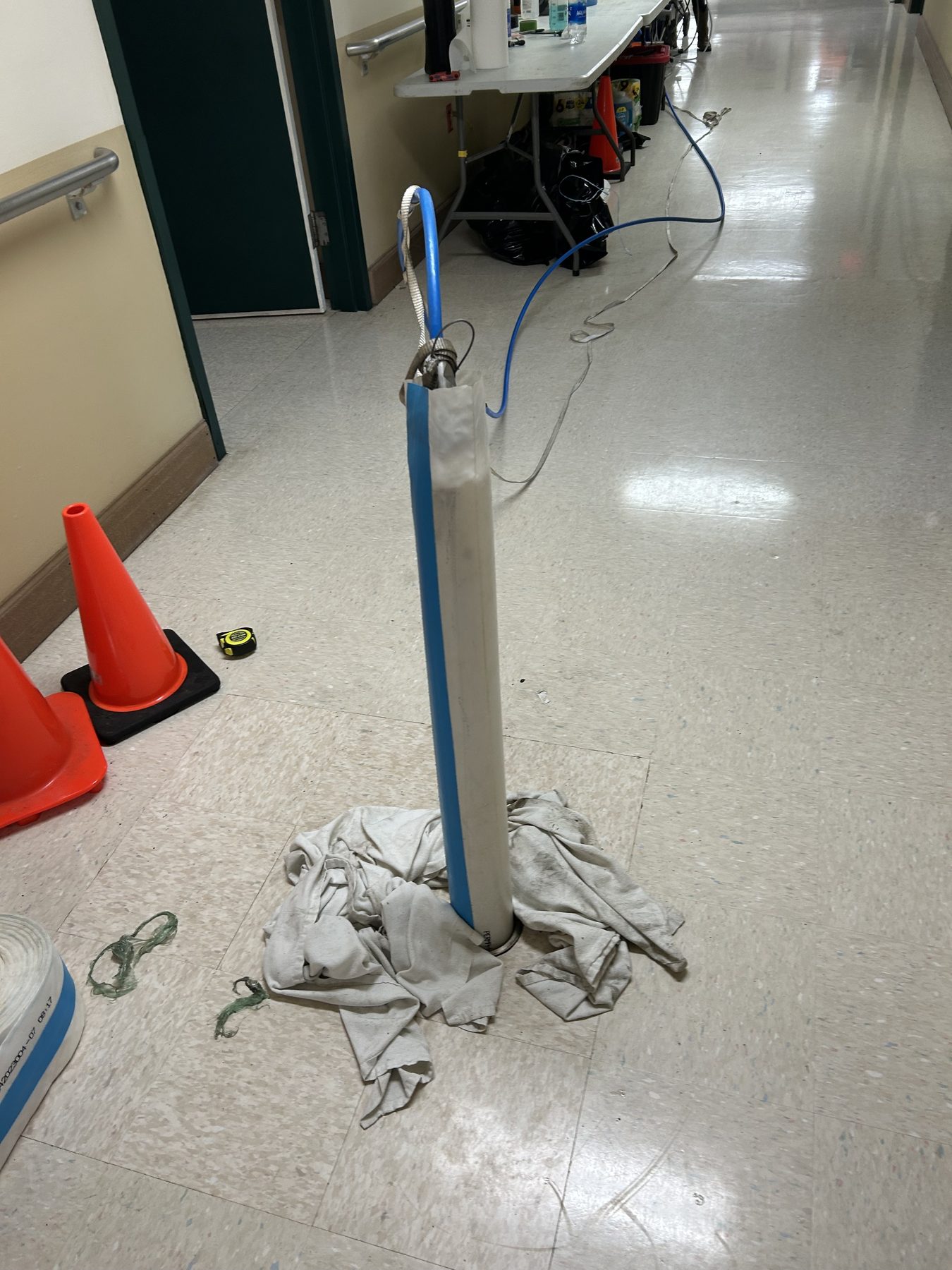
Hydro jetting (sometimes called hydroscrub) uses high-pressure water — typically 3,000 to 4,000 PSI — delivered through a specialized nozzle to scour the inside of a sewer or drain pipe back to its full diameter. It's how we clean grease, scale, and root buildup that cable can't touch. In Columbia, SC we jet residential mainlines, multi-u
What Hydro Jetting Actually Does
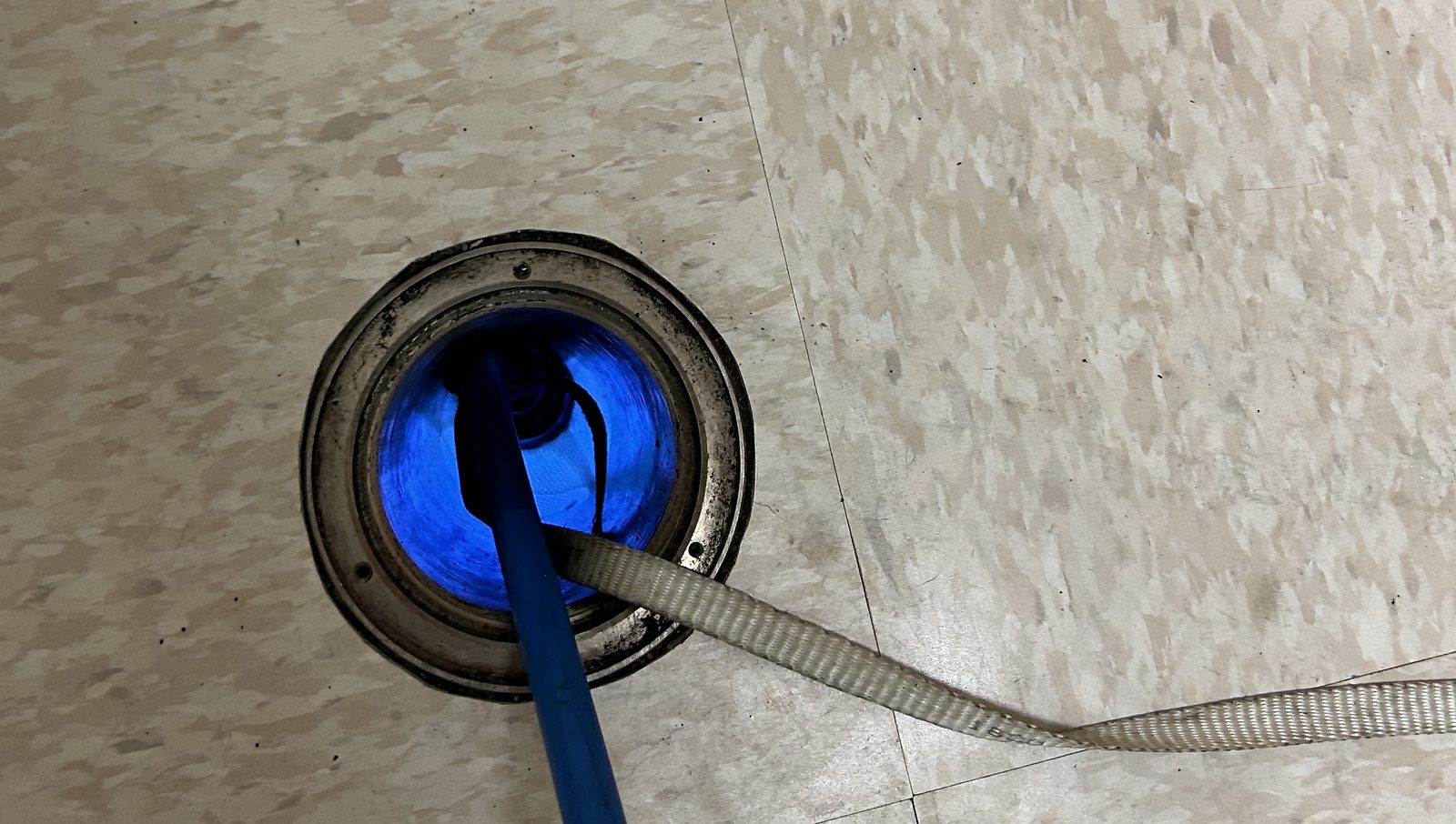
The difference between cabling (also called snaking) and hydro jetting is worth understanding. Cabling punches a hole through a blockage — it restores flow but leaves the pipe walls just as coated with grease, scale, or root buildup as before. That's why cabled lines clog again in weeks or months. Jetting, on the other hand, scours the entire pipe wall clean with high-pressure water. The waste and buildup get flushed downstream and out.
If cabling is like drilling a hole through a cake, jetting is like eating the cake. Pipe comes out actually clean, not just marginally open.
Most residential jetting jobs are one-time: a homeowner has a grease-caked kitchen line or a mainline that keeps backing up, we jet it once, and the line runs clean for years. Commercial jetting tends to be recurring — restaurants, apartment buildings, and food-service operations that generate enough grease and food waste that jetting quarterly or semi-annually is cheaper than dealing with backups.
For restaurants specifically, we can set up a service schedule that keeps you ahead of blockages, out of shutdowns, and in compliance with local grease-trap ordinances.
When done properly, yes. We match nozzle type and pressure to the pipe material. Cast iron and vitrified clay handle standard pressures without issue. Old Orangeburg — a fiber-based material that softens with age — gets a lighter touch. If a camera inspection shows the pipe is too compromised for safe jetting, we tell you and recommend a different approach.
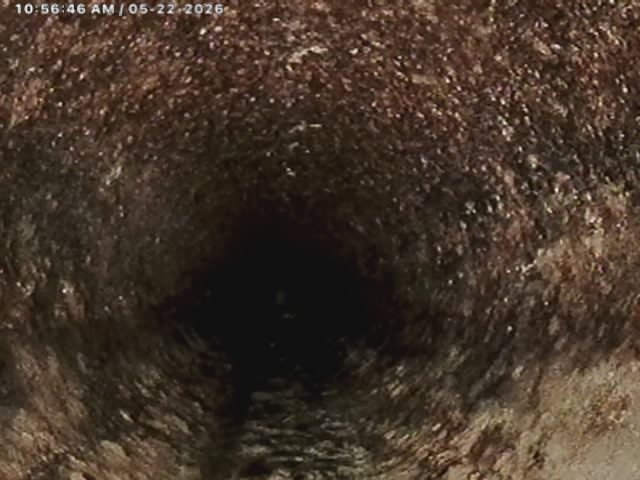
For any significant jetting job we recommend a sewer camera inspection before and after. Before, so we know what we're cleaning and can confirm jetting is safe. After, so you can see the result — a pipe wall you can read the manufacturer's stamp off of, if the material's old enough to have one.
- Grease-heavy kitchen lines — the classic jetting application. Grease coats pipe walls slowly; cabling barely touches it. Jetting removes it.
- Restaurants and commercial kitchens — often on recurring maintenance schedules to prevent grease traps and drain lines from ever getting bad enough to shut down service.
- Root buildup — after the roots are cut, jetting flushes the debris and cleans the pipe wall so roots have less to grip on.
- Recurring clogs — any line that keeps clogging back up after cabling. The pipe wall itself is the problem.
- Mainline buildup — long residential and municipal mainlines with years of scale.
- Pre-lining prep — every CIPP lining job starts with a clean pipe. Jetting is often how we get there.
- Drain Cleaning — the everyday cabling service. Jetting is the deeper cousin.
- Sewer Camera Inspection — recommended before and after any significant jetting.
- Trenchless Pipe Lining — if the camera shows the pipe needs more than cleaning.
Clean the Line, Not Just the Clog.
If your drain keeps clogging back up, cabling isn't fixing it. Jetting cleans the actual pipe wall so the problem doesn't just come back.
What goes wrong underground
The problems we solve
Root intrusion
Roots find joints and cracks, then grow until the line blocks and backs up.
Cracked or deteriorated pipe
Aging pipe develops cracks and breaks that lead to leaks and failures.
Joint separation
Separated joints let soil and water infiltrate, causing sinkholes and voids.
Corrosion and material failure
Corroded or deteriorated pipe risks collapse and loss of service.
Costly disruption
Traditional excavation means torn-up landscaping, lost parking, and unhappy tenants.
How a lining job runs
Our proven process
Five steps start to finish. Most residential laterals are done in a day, and the yard, driveway, or parking lot stays exactly where it is.
Inspect
We run a CCTV camera through the line to find the fault and verify the pipe's condition before recommending anything.
Clean
High-pressure jetting strips roots, grease, and scale so the liner bonds to a clean host pipe.
Line
A resin-saturated liner goes in through an existing access point and is positioned inside the damaged pipe.
Cure
UV light cures the liner in place, forming a strong, seamless new pipe inside the old one.
Reinstate
Service is restored and verified on camera. We leave the property the way we found it.
Commercial & institutional
Fix the pipe. Don't close the property.
A pipe failure at a multi-tenant or institutional property is never only a plumbing problem. It's occupant complaints, liability exposure, and unplanned capital spend. We inspect aging infrastructure before it fails and repair it without excavation, road plates, or lost parking.
- Avoid unplanned emergency repairs and occupant complaints
- Protect curb appeal, landscaping, and property value
- Reduce liability from backups, sinkholes, and property damage
- Extend the life of underground infrastructure
- Plan proactively and budget more effectively
Where we work
Service areas
Full service
Pipe lining, camera inspection, jetting, drain cleaning, and sewer replacement.
Pipe lining statewide
Trenchless CIPP lining, anywhere in South Carolina.
Frequently asked
Hydro Jetting questions
What is hydro jetting?
Hydro jetting uses high-pressure water (typically 3,000–4,000 PSI) delivered through a specialized nozzle to scour the inside of a sewer or drain pipe back to full diameter. Unlike cabling, which punches a hole through a blockage, jetting cleans the pipe wall itself — removing grease, scale, and root buildup rather than just clearing them.
When should I choose jetting instead of cabling?
Cabling is best for firm blockages that need to be broken up (like a wad of wipes). Jetting is best for grease, scale, root buildup, and any line that keeps clogging back up — because it removes the underlying buildup instead of punching through it. Restaurants and multi-unit buildings almost always want jetting.
How much does hydro jetting cost in Columbia, SC?
Residential jetting in the Columbia area typically runs $625–$995 for a single accessible line. Commercial and restaurant grease lines run higher — mostly because of run length and access complexity. We give a written quote after diagnosing the line.
Can hydro jetting damage older pipes?
When done properly, no. We adjust nozzle type and pressure for the pipe material. Cast iron and clay handle standard pressures well; badly deteriorated Orangeburg or thin-walled pipes get a gentler approach. If a camera shows the pipe is too compromised for jetting, we say so.
Do you jet restaurant grease lines?
Yes — restaurant and commercial kitchen drain lines are one of the most common jetting jobs we do. Grease and food solids build up on kitchen line walls; jetting is the only way to actually clean them (as opposed to just clearing enough to restore flow temporarily). We can set up recurring maintenance schedules for restaurants that want to stay ahead of it.
Let's solve the problem — without disrupting your property.
Call or text for a camera inspection and a straight answer about whether the line needs lining, cleaning, or replacement.
Call or text 803-814-5544