CIPP Sewer Lining
The cured-in-place method, start to finish.
Cured-in-place pipe (CIPP) lining is the specific structural method behind our trenchless repair work — a resin-saturated liner installed inside the host pipe and cured into an independent, seamless new pipe. This page covers the technical specifics: materials, cure methods, standards, and what to expect from a properly-installed liner in
What CIPP Actually Is
CIPP stands for cured-in-place pipe — a category of trenchless pipe rehabilitation covered by ASTM standards F1216 (inversion installation) and F1743 (pulled-in-place installation). The finished liner is a fully structural pipe, meaning it can stand on its own even if the surrounding host pipe deteriorates further. That's an important distinction: CIPP isn't a coating or a patch. It's a real pipe installed inside another pipe.
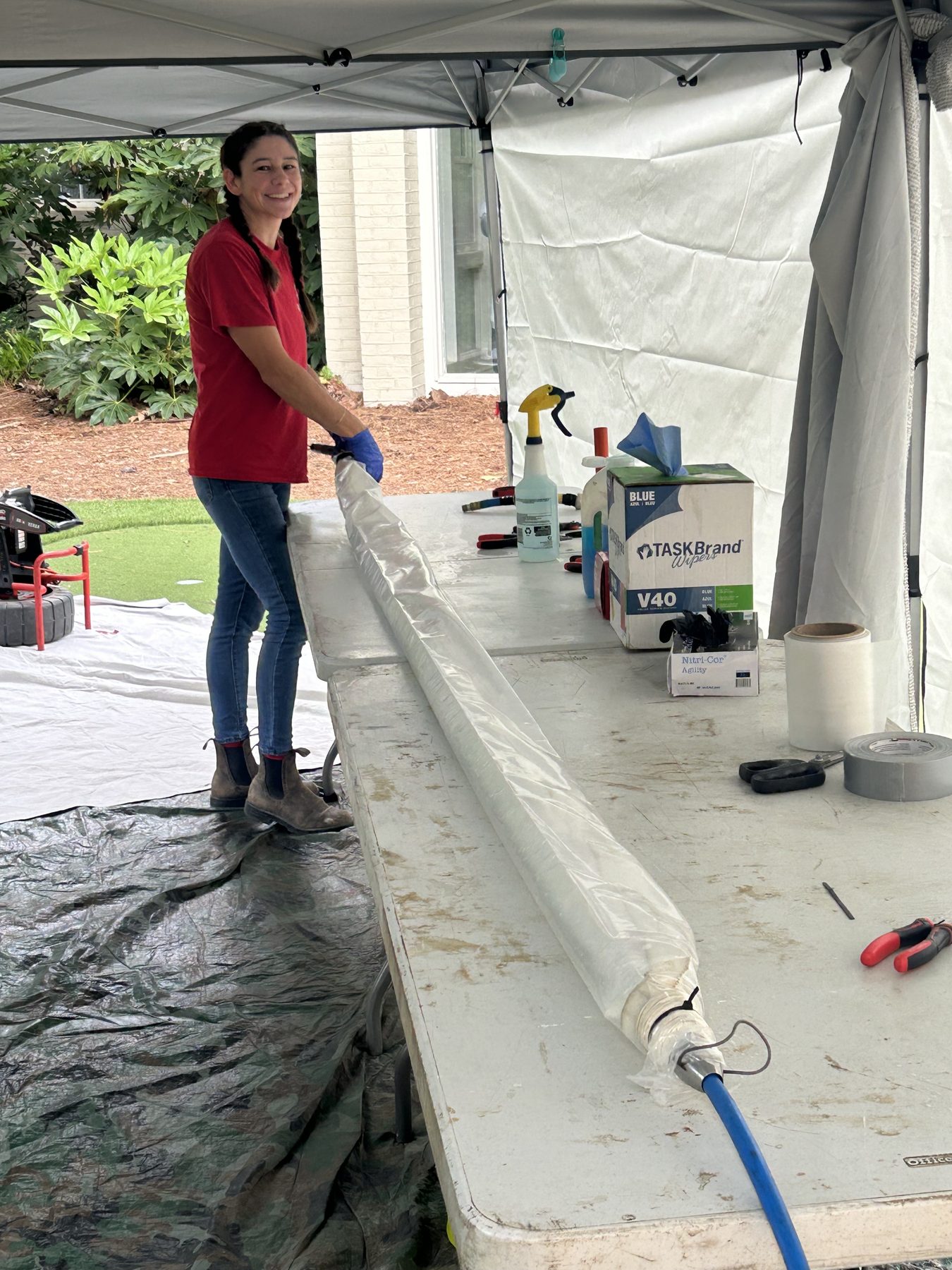
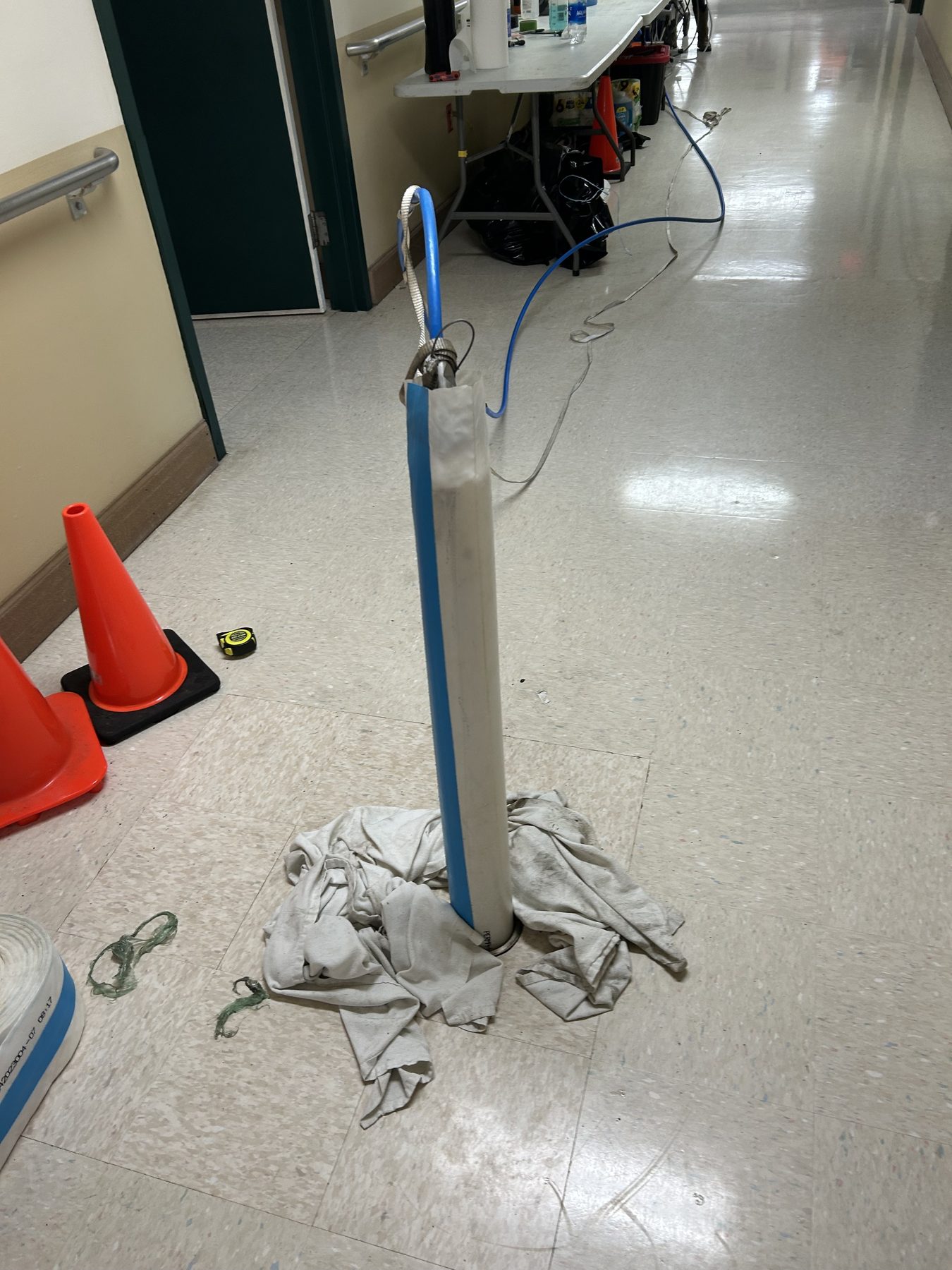
The installation is straightforward in concept: a flexible tube (usually needle-punched polyester or fiberglass) is saturated with a two-part thermoset resin, inserted through an existing access point, inflated so it presses against the host pipe wall, and cured until the resin hardens. What comes out the other side is a seamless, jointless, chemically-resistant pipe.
We match the resin to the job. For most residential sewer laterals in Columbia and the Midlands, we default to a two-part epoxy — it's forgiving during installation, produces a robust cured liner, and has an excellent long-term track record on the pipe materials we typically see (cast iron, clay, Orangeburg). For more demanding environments — industrial waste streams, higher temperatures, aggressive chemistry — we use vinyl-ester resin, which is more chemically resistant but requires tighter installation control.
Cure method depends on liner size, resin type, and site conditions:
Ambient and steam cure cover almost all residential and light-commercial CIPP work in Columbia, SC.
Look for these credentials when comparing CIPP contractors:
We're happy to discuss the specific system and standards behind any quote we give you — good CIPP work has nothing to hide.
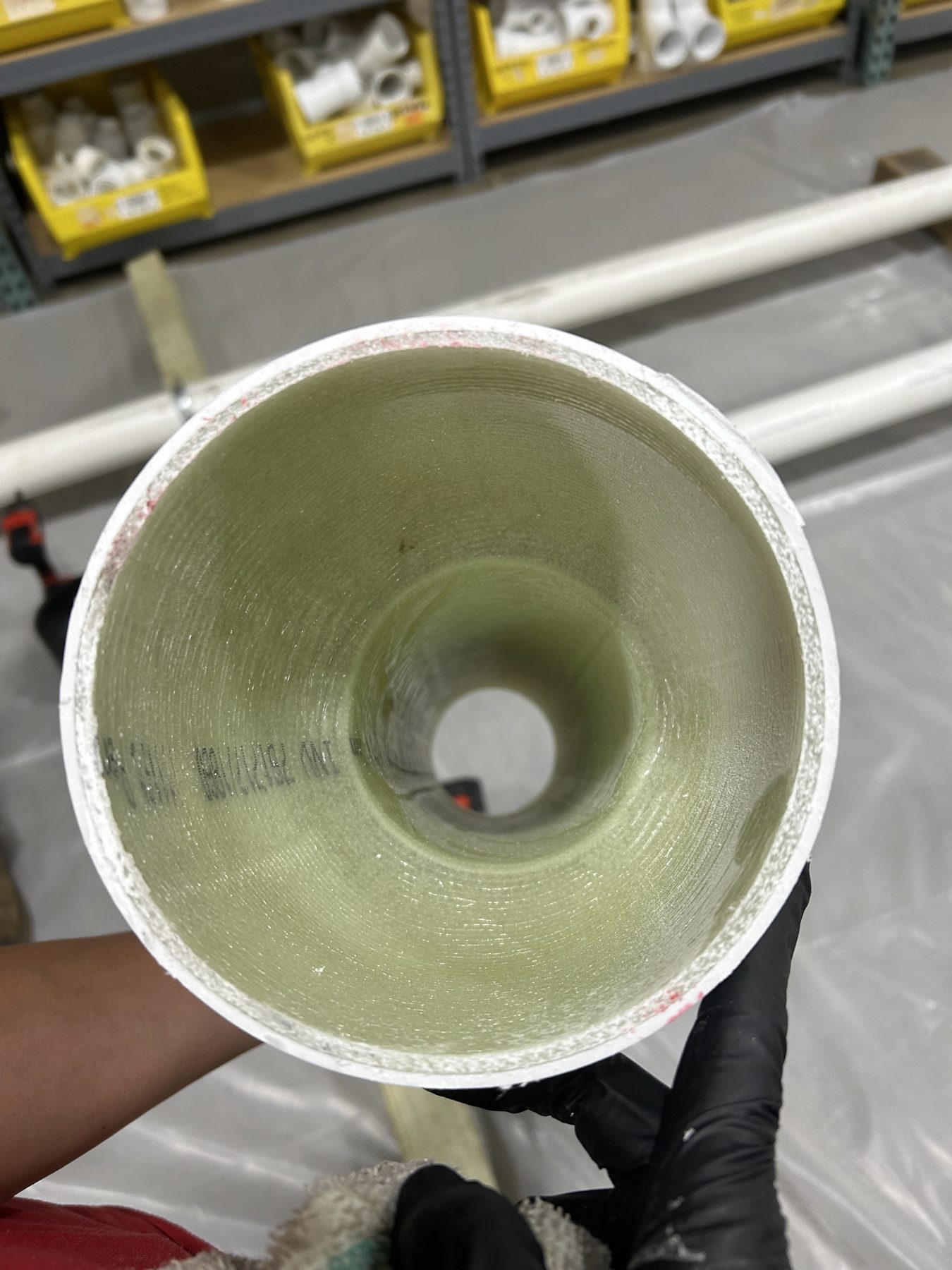
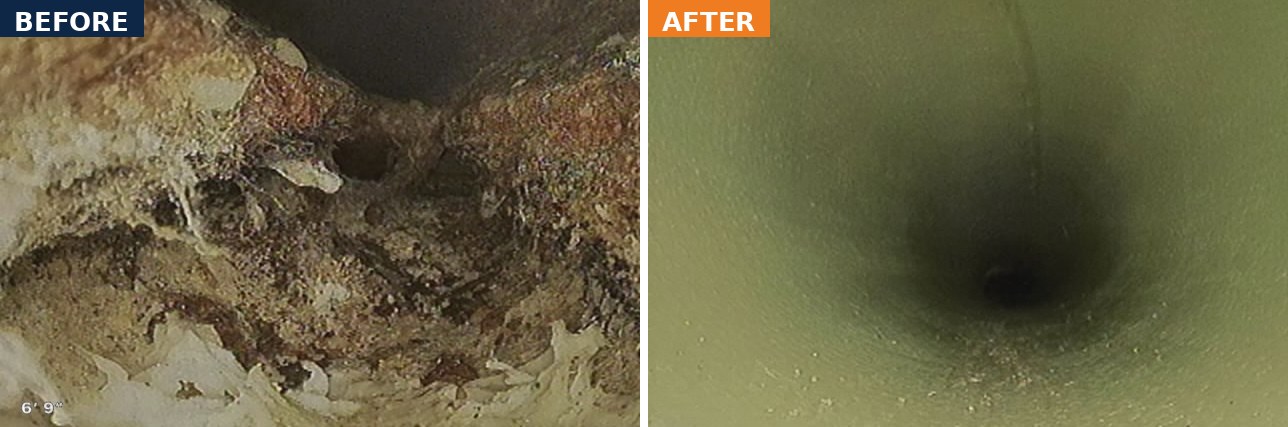
A properly installed CIPP liner is smooth, seamless, and slightly lighter in color than the original pipe. On camera it presents as one continuous surface with no visible joints, no ridges, and no folds. Water flows over it hydraulically better than the original pipe — often improving drainage in older lines. We camera every lined pipe on completion and share the footage with you.
CIPP is the right answer when a pipe is structurally deteriorated but still holds its shape. Cracks, longitudinal splits, root intrusion, corrosion, and channeling are all textbook CIPP cases. Full collapses, severe belly-shaped sags, and pipes that have completely lost their round shape usually require a different approach — either pipe bursting or targeted excavation. We tell you which category your pipe is in after a camera inspection, and we don't pretend CIPP fits a job it doesn't.
- Ambient cure — the liner is left inflated at room temperature for several hours while the resin hardens on its own. Slowest but simplest.
- Steam cure — heated air (typically ~180°F) is pushed through the inflated liner, accelerating the cure to under an hour for small residential runs. This is our default for most jobs.
- Hot-water cure — recirculating hot water through the liner; common for larger municipal work.
- UV cure — a UV light train is pulled through the liner; very fast but requires specialized equipment. Used mostly on municipal mainlines.
- ASTM F1216 and ASTM F1743 — the primary installation standards for inversion and pulled-in-place liners.
- ASTM D5813 — the material standard for CIPP resins and liners.
- Manufacturer certification for the specific liner system being installed. Legitimate CIPP systems require installer certification.
- Trenchless Pipe Lining (overview) — the broader category CIPP belongs to.
- Sewer Camera Inspection — the diagnostic that determines whether CIPP fits your pipe.
- Hydro Jetting — often used to prep a line before CIPP installation.
Camera Inspection First, Quote Second, Work Third.
Every CIPP job we do starts with a camera inspection so you know exactly what's in your line. Then we quote in writing before we touch anything.
Our solution
Trenchless pipe lining
Our UV cured-in-place pipe (CIPP) system restores damaged pipe from the inside out, forming a new structural pipe within the existing one. No trench, no torn-up property.
- No excavation
- Minimal disruption to residents, tenants, and daily operations
- Long-lasting results that prevent future problems
- Works on sanitary, storm, and other gravity-flow pipe
- Fits pipe from 3 inches to 8 inches in diameter
Pipe materials we rehabilitate
- Vitrified clay (VCP)
- Cast iron
- PVC
- Orangeburg
- Concrete
What you avoid
Conventional replacement may add
- Excavation and backfill
- Landscaping and hardscape restoration
- Asphalt or concrete replacement
- Traffic control and permitting
- Longer project timelines
- Increased tenant or occupant disruption
Every one of those is a line item on a dig-and-replace quote. Lining removes most of them.
How a lining job runs
Our proven process
Five steps start to finish. Most residential laterals are done in a day, and the yard, driveway, or parking lot stays exactly where it is.
Inspect
We run a CCTV camera through the line to find the fault and verify the pipe's condition before recommending anything.
Clean
High-pressure jetting strips roots, grease, and scale so the liner bonds to a clean host pipe.
Line
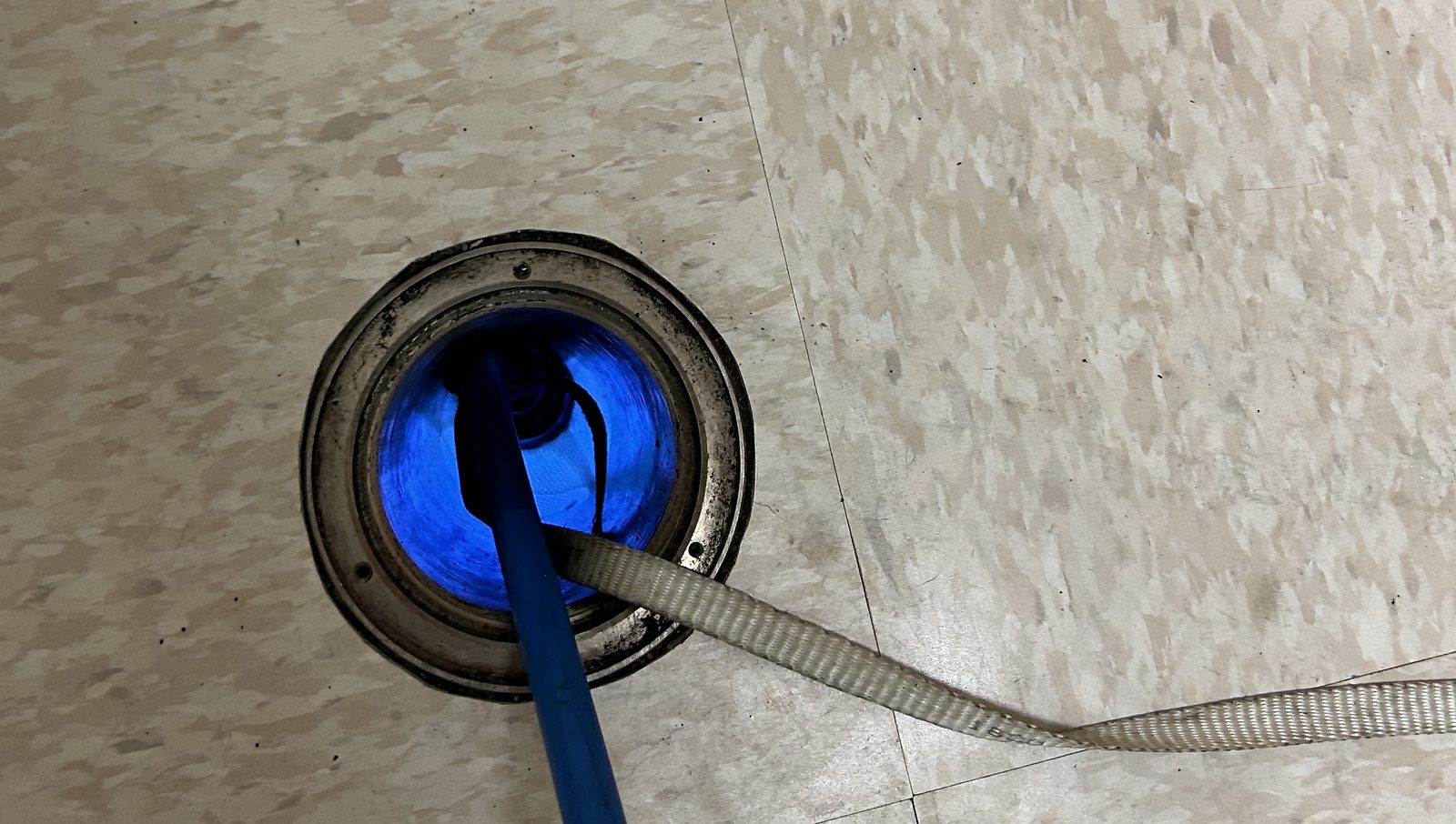
A resin-saturated liner goes in through an existing access point and is positioned inside the damaged pipe.
Cure
UV light cures the liner in place, forming a strong, seamless new pipe inside the old one.
Reinstate
Service is restored and verified on camera. We leave the property the way we found it.
Commercial & institutional
Fix the pipe. Don't close the property.
A pipe failure at a multi-tenant or institutional property is never only a plumbing problem. It's occupant complaints, liability exposure, and unplanned capital spend. We inspect aging infrastructure before it fails and repair it without excavation, road plates, or lost parking.
- Avoid unplanned emergency repairs and occupant complaints
- Protect curb appeal, landscaping, and property value
- Reduce liability from backups, sinkholes, and property damage
- Extend the life of underground infrastructure
- Plan proactively and budget more effectively
Where we work
Service areas
Full service
Pipe lining, camera inspection, jetting, drain cleaning, and sewer replacement.
Pipe lining statewide
Trenchless CIPP lining, anywhere in South Carolina.
Frequently asked
CIPP Sewer Lining questions
What does CIPP stand for?
CIPP stands for cured-in-place pipe. It's a trenchless method that installs a resin-saturated liner inside your existing pipe, cures it into a solid new pipe, and does the whole job without excavation.
What resin do you use for CIPP lining?
We use epoxy or vinyl-ester resins depending on the application. Epoxy is our default for residential sewer laterals — it's forgiving during installation and produces a robust, long-lived liner. Vinyl-ester is used for more demanding chemical or thermal environments (industrial and municipal work).
How is the CIPP liner cured?
Most residential jobs use ambient or steam cure. Ambient cure lets the resin harden at room temperature over several hours; steam cure accelerates the process with heated air pushed through the inflated liner. UV cure is common for larger municipal lines but overkill for most residential work.
Is CIPP lining as strong as a new pipe?
Yes — and often stronger in specific dimensions. A properly installed CIPP liner is a full structural pipe capable of standing on its own, even if the host pipe is deteriorated. Modern liners are engineered to ASTM F1216 or F1743 standards with strengths that meet or exceed the original pipe.
What warranty do you offer on CIPP work?
Our CIPP installations carry a workmanship warranty from Carolina Pipe Pros plus the manufacturer's warranty on the liner material itself — typically 10 years or longer on the liner. Real-world expected service life is 50+ years.
Let's solve the problem — without disrupting your property.
Call or text for a camera inspection and a straight answer about whether the line needs lining, cleaning, or replacement.
Call or text 803-814-5544